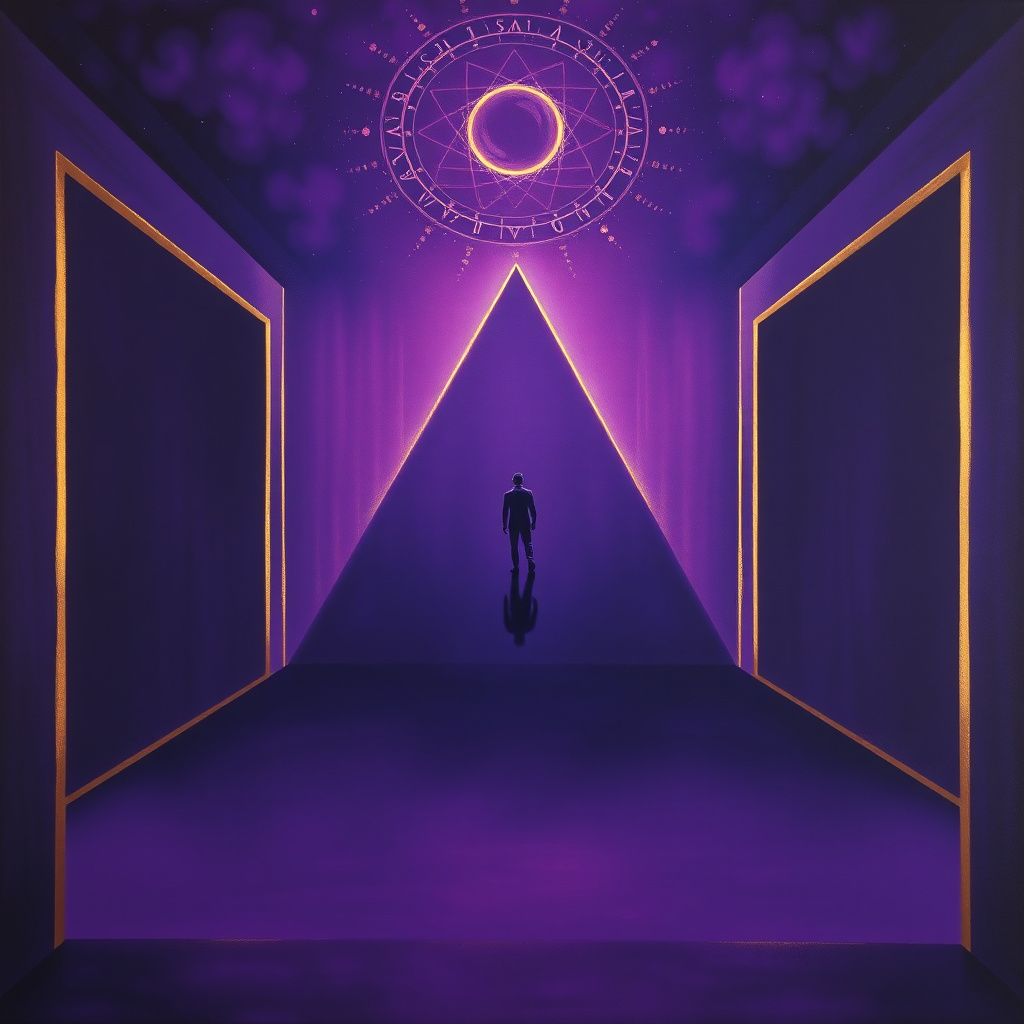
Walk Symbolism: A Jungian Perspective on Psychic Movement
Explore the psychological depth of the Walk symbol through a Jungian lens, focusing on individuation, the shadow, and the movement of the psyche.
To encounter a Walk in the dream state is to witness the psyche in motion. From a Jungian perspective, this is not merely a physical movement but a representation of the ego’s progression through the various strata of the unconscious. The act of walking serves as a kinetic metaphor for the process of individuation—the lifelong journey toward psychological wholeness. Rather than a simple traversal of space, the Walk signifies the tension between the conscious self and the vast, uncharted territories of the collective unconscious, marking the rhythmic pace of psychic evolution.
What does your Walk dream mean?
What is the primary quality of the movement?
The Walk as the Kinetic Engine of Individuation
In the analytical psychology of Carl Jung, the process of individuation requires a constant, rhythmic engagement with both the known and the unknown. When the psyche manifests a Walk, it is often articulating the tempo of this developmental arc. Unlike a sprint, which implies an ego-driven urgency to reach a goal, a Walk suggests a sustained, paced integration of various psychic functions. It represents the ego’s ability to maintain equilibrium while navigating the complexities of the self. This movement is the mechanism by which the conscious mind negotiates with the archetypal forces residing in the unconscious. If the pace is steady, it may indicate a healthy alignment with the teleological direction of the soul—moving toward a centeredness known as the Self. Conversely, a Walk that feels aimless or circular reflects a stagnation in the individuation process, where the ego is caught in a repetitive loop, unable to integrate new material from the depths. This is not a failure of willpower, but a structural signal from the psyche that the current psychological trajectory lacks sufficient psychic energy or 'libido' to move beyond existing boundaries. In waking life, one might see this as a period of philosophical reflection, but in the dream, it is the literal movement of the soul's architecture through the landscape of the psyche. The Walk, therefore, is the fundamental expression of the psyche's drive toward completion, acting as the bridge between the fragmented parts of the personality and the unified whole.
Navigating the Shadow and the Anima/Animus via the Walk
The terrain over which one performs a Walk is as significant as the movement itself, for the landscape often represents the archetypal contents of the unconscious. To Walk through dark, constricted, or uneven terrain is to engage directly with the Shadow—those repressed or unacknowledged aspects of the personality that the ego has cast aside. This movement is a confrontation; the psyche is literally stepping into the territory of the unlived life. Similarly, the direction and quality of the Walk can signal an encounter with the Anima or Animus—the contrasexual archetypes that serve as the bridge to the unconscious. A Walk that feels guided by an unseen force or leads toward a specific, profound destination often indicates the ego is being drawn toward these mediating figures. The encounter is not a destination but a process of 'walking with' these archetypal energies. If the Walk feels resisted or heavy, it suggests a psychological friction between the ego's current identity and the archetypal demands of the unconscious. In Jungian theory, this tension is necessary for growth. One does not simply 'arrive' at the Anima or Shadow; one moves toward them through the sustained effort of the Walk. This movement reflects the psychic effort required to bridge the gap between the persona—the social mask—and the deeper, more authentic layers of the soul. The Walk becomes a ritualized movement of integration, where every step is an attempt to reconcile the light of consciousness with the profound mysteries of the unconscious depths.
Archetypal Rhythms and the Collective Unconscious
Beyond the personal history of the dreamer, the Walk can resonate with the rhythms of the collective unconscious. This transcends individual biography and taps into the primordial patterns shared by all humanity. In this context, the Walk is a manifestation of the 'circumbulatio'—the ritualistic movement around a sacred center. This is a structural archetype of the psyche, mirroring the orbits of celestial bodies or the cyclical nature of biological life. When the Walk takes on a ritualistic or highly patterned quality, it suggests that the dreamer is tapping into these universal structures. The movement is no longer about personal goals, but about the psyche’s participation in the grand, mythic patterns of existence. This can be understood as the ego momentarily aligning itself with the cosmic order. From a depth psychology standpoint, such a Walk indicates that the individual's psychic development is being influenced by transpersonal forces. It is an experience of the 'numinous'—the feeling of being in the presence of something vast and divine. This movement serves to remind the ego of its place within the larger totality of the human experience, preventing the narcissism of the persona from obscuring the reality of the collective. To Walk in this sense is to participate in the eternal movement of the psyche as it unfolds through time, a movement that is both deeply personal and fundamentally universal. It is the rhythm of the soul's constant becoming, a pulse that connects the individual's private journey to the vast, shared history of human consciousness.
Frequently Asked Questions
What is the walk dream meaning in a psychological context?
In psychological terms, a walk represents the movement of the ego through the landscape of the unconscious. It signifies the pace and direction of your individuation process—how you are integrating your conscious identity with your deeper, archetypal layers.
How should I interpret a dream about walk patterns?
Patterns in a walk often reflect the structural rhythms of your psyche. Repetitive or circular patterns may suggest an ego caught in a Shadow loop, while rhythmic, purposeful movement suggests alignment with the teleological drive toward psychological wholeness.
Why does the terrain during my walk feel significant?
The terrain represents the archetypal content you are navigating. Rough or dark terrain often symbolizes the Shadow, while expansive or luminous landscapes may represent encounters with the Anima, Animus, or the higher Self.