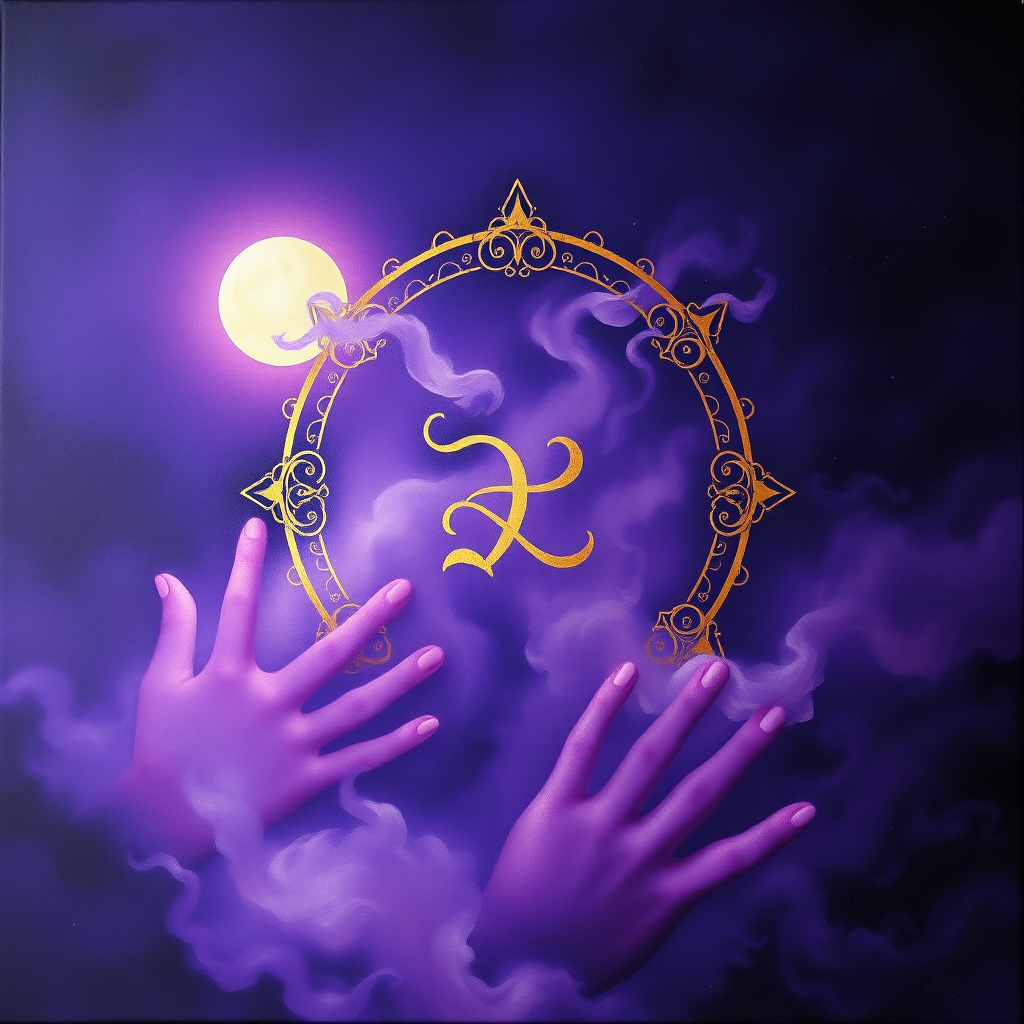
Running: A Jungian Analysis of Psychic Kinetic Energy
Explore the archetypal significance of Running through a Jungian lens, examining its role in individuation, the shadow, and the movement of the psyche.
In the topography of the unconscious, Running functions not as a mere physical act, but as a manifestation of psychic tension and the movement of libido—the fundamental energy of the soul. From a Jungian perspective, this kinetic impulse signals a redirection of internal forces. Whether the ego is fleeing from a repressed element or pursuing an unintegrated aspect of the self, Running serves as a structural indicator of the psyche's current velocity. It is the somatic expression of the tension between the conscious ego and the vast, often overwhelming, depths of the collective unconscious.
What does your Running dream mean?
What is the primary quality of the movement?
Running as the Shadow's Pursuit
When the psyche engages in Running, it often reflects a confrontation with the Shadow—those repressed, unacknowledged parts of the personality that exist outside the ego's light. In Jungian theory, the Shadow contains everything the individual deems unacceptable or incompatible with their conscious identity. When an individual experiences the sensation of Running within the dream state, it frequently indicates an attempt to outpace the inevitable integration of these dark or 'inferior' qualities. The movement is a defensive mechanism of the ego, attempting to maintain a fragile equilibrium by distancing itself from the psychological material that threatens to disrupt its established persona. However, such flight is fundamentally paradoxical; the faster the ego runs, the more it reinforces the Shadow's presence by providing it with the very energy required to persist. Instead of seeing Running as a literal escape, depth psychology views it as a signifier of an unresolved psychic conflict. The 'pursuer' in these instances is not an external threat but a personified projection of the self's own neglected capacities or primal instincts. To cease Running is to face the Shadow, allowing for the eventual assimilation of these elements into a more cohesive whole. In waking life, this manifests as an avoidance of difficult truths or an inability to sit with uncomfortable emotions. The kinetic intensity of Running serves as a barometer for how much energy is being diverted away from self-actualization and toward the maintenance of a defensive psychological barrier. Therefore, the act is a diagnostic tool for measuring the distance between the current ego-state and the necessary encounter with the unconscious.
The Kinetic Drive Toward Individuation
Conversely, Running can be interpreted as the energetic propulsion required for the process of individuation—the lifelong journey toward becoming one's true, whole self. Jung posited that the psyche is inherently teleological, meaning it is always moving toward a specific goal of wholeness. In this context, Running represents the 'libidinal' drive toward the integration of the Anima or Animus, the contrasexual archetypes that bridge the gap between the ego and the collective unconscious. If the Running is directed toward a destination or an unknown horizon, it symbolizes the ego's proactive engagement with the archetypal forces of the unconscious. This is not a flight from danger, but a movement toward complexity. The velocity of the Running reflects the intensity of the psychic reorganization taking place. Just as a river gains momentum as it descends toward the sea, the psyche gains momentum as it approaches a breakthrough in consciousness. This movement is often characterized by a sense of urgency that transcends waking-life logic; it is the soul's attempt to synchronize the fragmented parts of the personality into a unified structure. The difficulty or ease of the Running provides insight into the ego's readiness to undergo this transition. If the Running feels labored or impeded, it suggests that the conscious mind is resisting the transformative pressures of the unconscious. If the movement is fluid, it indicates a state of psychic flow where the individual is successfully navigating the tensions of the self. Thus, Running is the somatic metaphor for the internal momentum necessary to transcend the limitations of the persona and enter the more profound realms of the self.
Archetypal Velocity and the Collective Unconscious
Running also functions as a bridge to the collective unconscious, where the movement transcends personal biography and enters the realm of universal human patterns. In this dimension, Running is an archetype of the 'seeker' or the 'wanderer,' reflecting the fundamental human condition of striving and searching. Jung emphasized that certain symbols belong to the entire species, and the impulse of rapid movement through a landscape is a primal expression of the psyche's search for meaning. When Running occurs in a dream, it may not be about the dreamer's personal life, but about the movement of archetypal energies themselves. This can manifest as a sense of being caught in a cosmic or historical momentum that is far larger than the individual ego. The landscape through which one Runs—be it a forest, a city, or a void—acts as a mirror to the current state of the collective psyche. For instance, Running through a labyrinthine structure suggests the complex, often confusing paths of cultural or religious archetypes. This level of Running is less about personal psychological defense and more about the soul's participation in the grander, cyclical movements of existence. It represents the tension between the finite nature of the human ego and the infinite nature of the unconscious. By analyzing the quality of the Running, one can discern whether the psyche is currently in a state of chaotic fragmentation or structured progression. It is a vital indicator of how the individual is positioned within the larger currents of human experience, serving as a rhythmic pulse that connects the private internal world to the universal patterns of the collective human journey.
Frequently Asked Questions
What is the running dream meaning in a psychological context?
In psychology, particularly Jungian thought, Running signifies the movement of psychic energy (libido). It indicates whether the ego is attempting to flee from the Shadow or is actively pursuing the process of individuation. The dream is a map of the tension between conscious identity and unconscious forces.
How does a dream about running relate to my personal growth?
Running relates to growth by illustrating your psychological momentum. If the movement feels purposeful, it reflects the drive toward individuation and integrating the Anima or Animus. If it feels like an escape, it suggests you are avoiding necessary encounters with repressed aspects of your personality.
Why do I feel such intense urgency when running in dreams?
The urgency is a manifestation of the psychic tension between the ego and the collective unconscious. It represents the 'teleological' drive—the soul's inherent pressure to move toward wholeness and resolve internal conflicts that the conscious mind has not yet addressed.