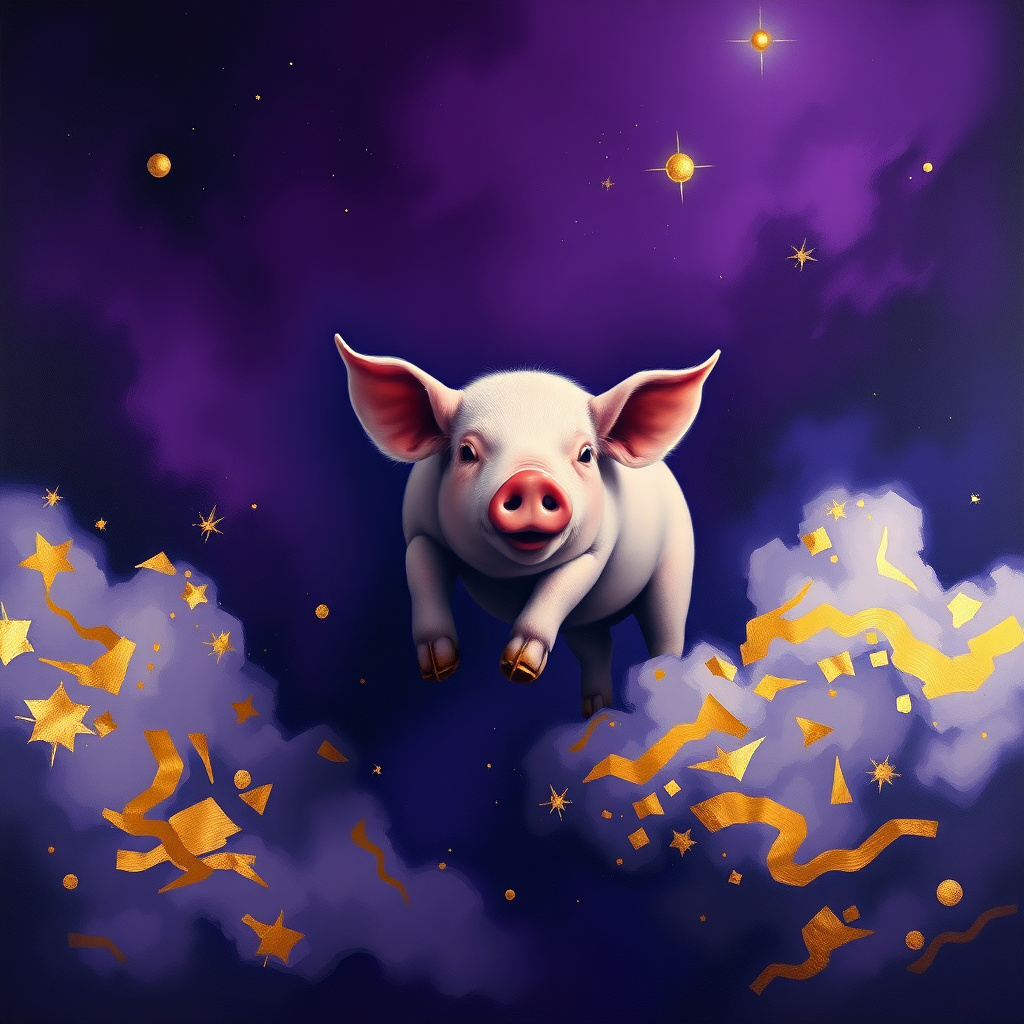
Pig Dream Meaning: A Historical Evolution of Interpretation
Explore how the pig dream meaning has shifted from ancient Greek prophecy and medieval omens to Victorian spiritualism and modern neuroscience.
The pig occupies a unique position in the human psyche, serving as a vessel for shifting cultural values. To understand a pig dream, one must look past immediate reactions and observe how the interpretation of this creature has drifted through the centuries. Once viewed as a divine messenger or a herald of earthly fate, the pig has transitioned from a sacred or sinister omen into a subject of psychological inquiry and neurological processing. This entry tracks that chronological movement, tracing how the perceived weight of the pig has changed from the soul to the synapse.
What does your Pig dream mean?
Which historical lens best describes your current view of dreams?
Classical Antiquity and the Divine Omen
In the era of ancient Greek prophetic traditions, the presence of a pig in a nocturnal vision was rarely viewed as a mere reflection of personal anxiety. Instead, it was often interpreted through the lens of divine communication or sacrificial necessity. For the ancients, the pig was a creature deeply intertwined with the rhythms of the earth and the whims of the gods. A dream about a pig might have been received as a signal regarding impending agricultural success or a warning of ritual impurity. Unlike modern views that focus on the individual's internal state, the classical perspective viewed the pig as an external messenger. If a dreamer encountered a pig, they might consult an oracle to determine if the animal represented a favorable sign from Demeter or a warning of social disorder. The pig functioned as a bridge between the mortal realm and the celestial hierarchy. Its appearance was not an introspective puzzle to be solved by the ego, but a cosmic event to be decoded by the community. The interpretation was communal and ritualistic; the pig was a signifier of the balance between human civilization and the raw, unbridled forces of nature. To dream of the animal was to participate in a dialogue with the divine, where the pig served as the physical manifestation of a larger, unseen cosmic order that demanded respect, caution, or specific sacrificial offerings to maintain harmony within the city-state.
Medieval Morality and Victorian Spiritualism
As the centuries progressed into the Middle Ages, the interpretation of the pig underwent a drastic moralization. In the medieval mindset, the pig became a potent symbol of earthly gluttony and the base instincts of the flesh. Dreamers often viewed the animal through a lens of spiritual peril, where the pig represented the temptations that threatened to pull the soul away from divine grace. The interpretation shifted from the cosmic to the moral; a pig was no longer just a messenger, but a cautionary emblem of excess and lack of discipline. This heavy moral weight persisted into the Victorian era, though the focus shifted toward the burgeoning field of spiritualism. During the 19th century, as people sought to communicate with the beyond, the pig in dreams was sometimes viewed through the lens of character study or even as a manifestation of 'animal magnetism.' While the medievals saw the pig as a threat to the soul, the Victorians often viewed it as a reflection of the subconscious drives that the era's strict social etiquette sought to suppress. The interpretation moved from the pulpit to the parlor, where the pig became a symbol of the tension between outward refinement and inward, unrefined impulses. It was a period where the animal served as a mirror for the 'shadow' self, long before that term was formalized in modern psychology, representing the parts of the human experience that were deemed unseemly or beneath the dignity of a civilized society.
The Modern Shift: Neuroscience and Cognitive Processing
In the contemporary era, the interpretation of the pig has been stripped of its mystical and moralistic heavy lifting, moving instead into the realm of neuroscience and cognitive psychology. Today, a dream about a pig is largely analyzed as a byproduct of memory consolidation and neural firing patterns. Rather than searching for a divine message or a moral failing, modern science looks at how the brain processes sensory information and emotional associations. The pig is seen as a mental construct—a collection of stored data points including visual textures, cultural associations, and emotional triggers. If a person dreams of a pig, a neuroscientific perspective might suggest the brain is simply navigating through a web of related concepts, such as food, farm life, or even specific memories of animals. The 'meaning' is no longer an external truth to be discovered, but an internal pattern to be observed. We now view the dream as a functional process of the sleeping brain, where the pig serves as a placeholder in the complex task of organizing information. While some still apply psychological frameworks to understand the pig as a representation of repressed desires, the dominant scientific paradigm views the symbol as a piece of biological machinery. The shift is complete: the pig has traveled from being a god's messenger to a moral warning, and finally to a sophisticated neurological stimulus, reflecting our own transition from a world of myth to a world of measurable data.
Frequently Asked Questions
What is the common pig dream meaning in modern contexts?
In a modern psychological context, a pig dream meaning usually relates to personal perceptions of abundance, greed, or unrefined instincts. Rather than a divine omen, it is viewed as a reflection of how the dreamer manages their own desires or how they perceive their social standing and resource management in their waking life.
How can I understand a dream about pig activity?
To interpret a dream about pig activity, consider the historical shifts mentioned. Are you viewing the activity through a lens of moral caution (medieval), social instinct (Victorian), or simply as a random neurological firing (modern)? Identifying your own current psychological framework will help clarify the symbol's impact.
Is a dream about pig appearance significant?
The appearance of the animal can trigger different interpretive paths. Historically, a healthy pig was a sign of prosperity, while a diseased pig was a warning. Today, the visual details are often seen as your brain's way of categorizing sensory memories or navigating through complex emotional associations during REM sleep.