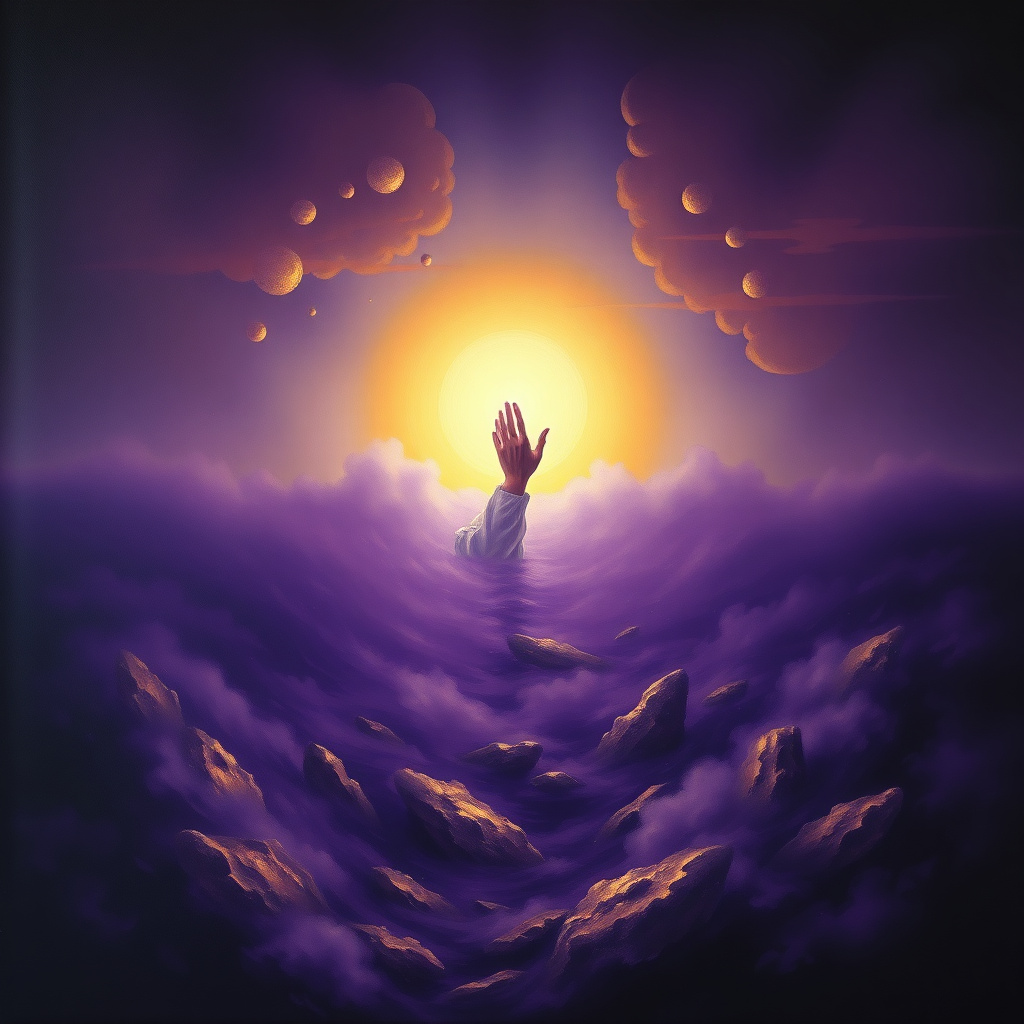
Cry Dream Meaning: A Jungian Analysis of Psychic Release
Explore the psychological depth of a cry dream meaning through Jungian archetypes, shadow integration, and the process of individuation.
In the realm of analytical psychology, to cry is not merely a physiological response to sadness, but a profound movement of the libido. When the psyche engages in the act of crying during sleep, it often signals a breach in the ego's defensive fortifications. This phenomenon suggests that the unconscious is attempting to bypass the rational, waking mind to express a truth that the conscious persona has suppressed. Rather than viewing this through a lens of simple emotion, we must examine the cry as a structural necessity for the psyche's equilibrium and the ongoing movement toward wholeness.
What does your Cry dream mean?
Which archetypal direction does the cry seem to follow?
The Cry as Shadow Integration
From a Jungian perspective, the act of a cry often serves as a bridge to the Shadow—those repressed, unacknowledged, or 'dark' aspects of the personality that the ego deems unacceptable. In waking life, an individual may maintain a stoic or highly controlled persona to navigate social hierarchies or professional environments. However, the Shadow contains the unlived life, the raw vitality, and the genuine affects that the persona has discarded. When a dream forces a cry, it is frequently the Shadow demanding recognition. This is not a sign of weakness, but a vital encounter with the 'other' within the self. Carl Jung emphasized that the more one denies their darker or more vulnerable impulses, the more forcefully they will erupt from the unconscious. The cry acts as a psychic purge, a way for the Shadow to leak through the cracks of the ego's armor. If the ego resists this influx of emotion, it may experience tension or fragmentation. Conversely, allowing the cry to occur within the dream state facilitates a controlled descent into the depths of the psyche. This process allows the dreamer to acknowledge the parts of themselves that have been cast into the basement of the unconscious. By witnessing the cry, the dreamer begins the difficult work of integrating these discordant elements, moving away from a one-dimensional ego toward a more complex, multifaceted psychic reality. This is the foundational labor of psychological maturity: the willingness to face the unrefined, weeping aspects of the self without retreating into the false security of the persona.
Anima/Animus and the Fluidity of Affect
The cry can also be interpreted as a manifestation of the Anima or Animus, the contrasexual archetypes that mediate between the ego and the collective unconscious. For a masculine-identifying ego, a cry may represent an encounter with the Anima—the feminine principle of feeling, intuition, and relational depth. For a feminine-identifying ego, it may signal the movement of the Animus toward a more profound, internalized emotional truth. In many ways, the cry represents the 'water element' of the psyche, a fluidic force that counters the rigid, solar logic of the ego. Jung noted that the anima often communicates through moods and affects rather than structured thought. Therefore, a cry in a dream is a direct communication from these archetypal mediators. It signals that the dreamer's connection to the unconscious is becoming more fluid and less obstructed by the calcified structures of rationalism. This fluidity is essential for the process of individuation, as it prevents the psyche from becoming a desert of pure intellect. The cry serves as a reminder that the soul possesses a depth that cannot be quantified or controlled by the waking will. It is a rhythmic, tidal movement of the psyche that aligns the individual with the broader currents of the collective unconscious. When the cry emerges, it is often a sign that the archetypal bridge is being built, allowing the dreamer to access a more holistic way of being that integrates both the hard logic of the conscious mind and the soft, flowing wisdom of the unconscious soul.
The Cry and the Path toward Individuation
Ultimately, the cry functions as a catalyst within the teleological process of individuation—the lifelong journey toward becoming one's true, whole self. In Jungian thought, the psyche is not a static entity but a dynamic system moving toward a goal of psychic unity. The cry represents a disruption of the current, often stagnant, psychic state. It is a 'breaking open' that is necessary for any new growth to occur. Just as a seed must crack to allow the plant to emerge, the ego must occasionally be broken by the weight of the unconscious to allow for a higher level of consciousness to develop. This is the paradox of the cry: it feels like a loss of control, yet it is actually an assertion of the psyche's inherent drive toward health and completeness. In the context of the collective unconscious, the cry may also reflect a recognition of universal human suffering, a way for the individual to resonate with the archetypal experiences of loss and rebirth that define the human condition. This connection to the collective helps the individual transcend the narrow confines of personal biography and enter into a more profound relationship with existence itself. The cry is not a regression into childhood helplessness, but a sophisticated movement of the soul attempting to shed obsolete layers of the ego. By processing this affect in the dream, the individual prepares for a more integrated way of life, where the tension between the personal and the universal is held in a productive, albeit difficult, balance. The cry is thus a sacred signal of the psyche's ongoing evolution.
Frequently Asked Questions
What is the significance of a dream about cry?
In a Jungian sense, a dream about a cry indicates a movement of the libido toward the unconscious. It suggests that the ego's defenses are being challenged by the Shadow or by archetypal forces like the Anima/Animus, requiring a psychic release to maintain internal equilibrium and continue the process of individuation.
How can I understand my cry dream meaning?
To interpret the meaning, look beyond the immediate emotion. Consider whether the cry feels like a release of suppressed Shadow material or a communicative act from an archetypal figure. Analyze the tension between your waking persona and the vulnerability expressed in the dream to find the point of psychic friction.
Why do I experience intense weeping in my sleep?
Intense weeping often signals a high degree of psychic pressure. The unconscious is utilizing the symbol of the cry to bypass your conscious resistance. This is frequently an attempt to integrate unacknowledged emotional truths that are essential for your psychological development and movement toward wholeness.