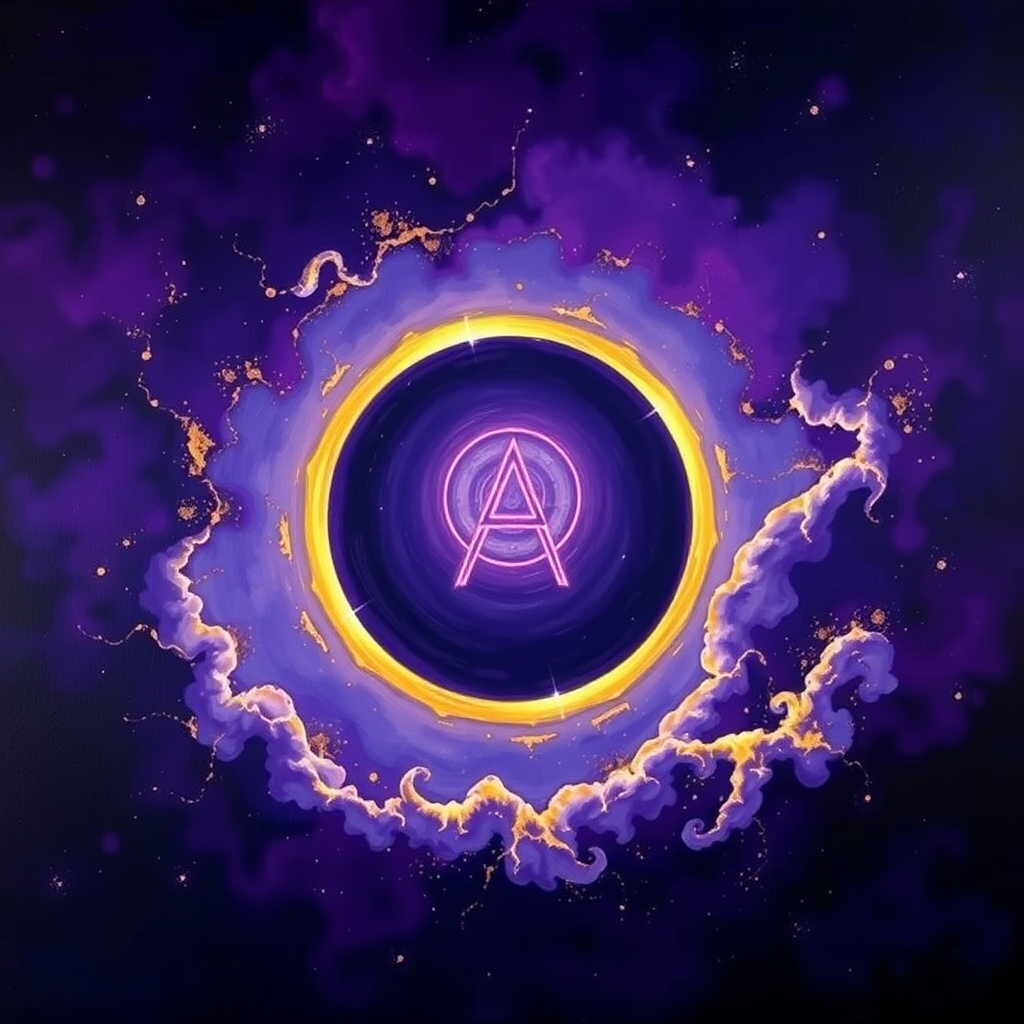
The Circle: Mythological and Cultural Archetypes
Explore the Circle through the lens of ancient folklore, sacred geometry, and religious myth. Discover the cultural weight of this eternal symbol.
Across the tapestry of human history, the Circle stands as a foundational blueprint for the cosmos. It is not merely a geometric shape, but a sacred boundary that separates the mundane from the divine. From the sun-chariots of Vedic lore to the protective salt-circles of European folklore, this shape dictates how humanity perceives order, eternity, and the divine rhythm. To encounter the Circle is to step into a narrative of continuity that transcends individual experience, tapping into a collective heritage of ritual, celestial movement, and the unyielding laws of the universe.
What does your Circle dream mean?
Which mythological domain does the Circle occupy in your view?
Sacred Geometry and the Cosmic Order
In the eyes of ancient architects and theologians, the Circle serves as the primary manifestation of the divine perfection found in the heavens. Unlike the jagged lines of the earthly realm, the Circle possesses no beginning and no end, mirroring the perceived nature of the gods themselves. In many Hellenistic traditions, the perfection of the sphere and the circle was used to explain the movements of the celestial bodies, suggesting that the universe was a structured, rhythmic mechanism governed by immutable laws. This concept of 'Musica Universalis'—the music of the spheres—posits that the circular paths of planets create a divine harmony that sustains existence. When we look at the Circle through this lens, we are viewing the blueprint of creation. In various Eastern philosophies, the concept of the Mandala uses circularity to represent the universe in miniature, acting as a map for spiritual navigation. The Circle acts as a container for the totality of existence, suggesting that everything within the cosmos is interconnected by a singular, unbroken thread. It is the geometry of the eternal, a shape that rejects the linear progression of time in favor of a perpetual, rhythmic recurrence. This is not a concept of movement toward a destination, but of existence within a state of constant, balanced equilibrium. To witness such a shape is to encounter the architecture of the infinite, where the finite human experience is cradled by the vast, unmoving precision of a celestial design that has governed the stars since the dawn of time.
Ritual Boundaries and Folklore Protections
In the realm of folklore and oral tradition, the Circle functions as a potent tool of separation and protection. Throughout European fairy tales and occult histories, the act of 'drawing a circle' is a fundamental ritual to establish a sanctified space. This is the magic circle, a boundary that prevents malevolent spirits or chaotic forces from encroaching upon the sacred or the human. Within these cultural narratives, the Circle acts as a shield, a line in the sand that defines where the known world ends and the supernatural wilderness begins. In many indigenous traditions, circular dance patterns or communal gatherings around a central fire serve to unify the tribe, creating a social and spiritual enclosure that reinforces communal identity against the outside void. This circularity is deeply tied to the concept of the 'sacred grove' or the 'hallowed ground,' where the shape itself provides the authority for the ritual taking place. In Norse and Celtic mythologies, the cyclical nature of seasons is often depicted through circular motifs, emphasizing that life, death, and rebirth are not linear events but a continuous loop. The Circle is the boundary of the hearth, the protection of the home, and the perimeter of the temple. It is the shape of the talisman and the amulet, used by ancient peoples to bind luck or repel misfortune. By defining a perimeter, the Circle grants the power to control a specific environment, turning a patch of earth into a sanctuary or a site of profound ritual significance.
Religious Symbolism and the Eternal Return
Theological interpretations of the Circle frequently center on the concept of the 'Eternal Return,' a recurring theme in both Abrahamic and Dharmic traditions. In Biblical symbolism, the circle can be seen in the halo of the divine or the celestial wheels described in prophetic visions, signifying the omnipresence and perfection of God. It represents an authority that is all-encompassing and inescapable. Conversely, in many Eastern traditions, the circle represents the wheel of Samsara—the continuous cycle of birth, death, and rebirth that governs the soul's journey. Here, the Circle is not just a symbol of perfection, but a representation of the cosmic law of cause and effect, where every action eventually returns to its origin. This mythological framework views existence as a series of concentric ripples in a pond, where every event is part of a larger, repeating pattern. In various mythologies, the sun and moon are the supreme circular deities, their movements dictating the ritual calendars of entire civilizations. These celestial circles provide a sense of predictable rhythm in an unpredictable world, anchoring human life to the perceived heartbeat of the gods. The Circle, therefore, is the ultimate symbol of the cyclical nature of divinity: the sun rises and sets, the seasons turn, and the soul travels through its various incarnations, always moving within the bounds of a predetermined, sacred geometry that ensures nothing is ever truly lost, only repositioned within the great, unbroken loop of existence.
Frequently Asked Questions
What is the circle dream meaning in a cultural context?
In a cultural context, the Circle signifies the intersection of the human and the divine. It often points toward themes of cosmic order, the cyclical nature of life and death, and the protective boundaries established by ancient rituals and sacred traditions.
How does a dream about circle relate to ancient myths?
A dream about a Circle can be viewed through the lens of mythological archetypes, such as the 'Wheel of Fortune' or the celestial spheres. It suggests a connection to the eternal rhythms of the universe and the recurring patterns found in folklore and religious history.
Why is the circle considered a sacred shape in history?
Historically, the Circle has been revered because it lacks beginnings or endings, making it a perfect representation of eternity and divine perfection. It has been used in everything from temple architecture to protective ritual magic to denote sanctity.