You dreamed you were facing a mountain.
The summit wasn't the point. Your psyche wanted you to feel the weight of the climb.
Quick interpretation
Which one sounds like your dream?
Tap the one that resonates most
Select one to see what your subconscious might be saying
Recently decoded on SlumberVision
“I was climbing an endless snowy mountain alone, my hands freezing, but I refused to stop climbing”
AI reading excerpt
“The cold isolation mirrors self-imposed pressure. Your refusal to stop reveals deep inner drive — but the frozen hands suggest you may need support you haven't asked for.”
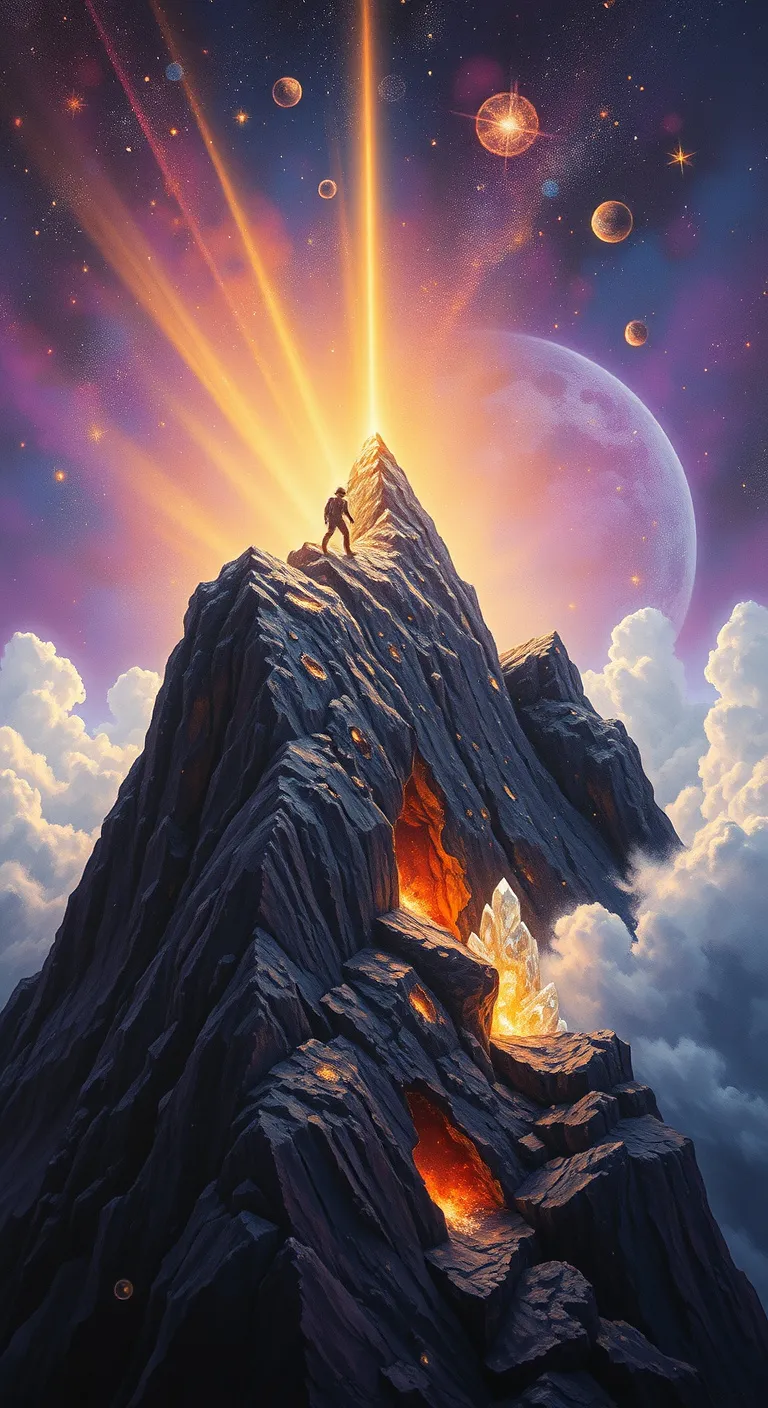
Mountains
“Mountain dreams don't ask if you'll reach the top — they ask why you started climbing.”
Everything in your free reading
Symbol analysis
Ancient + modern interpretation of your dream symbols
6-axis emotional map
Visual radar of your emotional & intuitive state
Unique dream card
AI-generated artwork capturing your dream's essence
Life guidance
What your dream suggests about your waking life
Sample Dream Card
“Mountain dreams don't ask if you'll reach the top — they ask why you started climbing.”
Three traditions, one reading
2nd Century
Artemidorus
Oneirocritica
20th Century
Freud & Jung
Modern Psychology
2,500 Years
Zhou Gong
Eastern Dream Classic
Why this dream keeps coming back
Mountain dreams recur when you're confronting a significant challenge or ambition. In Jungian analysis, mountains represent the Self — the highest, most integrated version of who you could become. The mountain appears in your dreams when your psyche senses you're ready to ascend beyond your current level of development. Recurring mountain dreams often correlate with periods of intense effort — studying, building a business, healing from loss. The steepness of the mountain reflects your perceived difficulty. Whether you're climbing alone or with others reveals whether you feel supported in your waking ambitions.
What your subconscious is processing
Your subconscious uses mountains to process ambition, obstacles, and your relationship with achievement. Zhou Gong's tradition interprets climbing a mountain as a sign of rising status and overcoming hardship. Sleep researchers have found that elevation-based dreams often occur when the brain is processing hierarchical thinking — career advancement, social standing, or personal mastery. Standing at the base looking up reflects early-stage planning. Being mid-climb suggests active effort. Reaching the summit often coincides with waking breakthroughs. If you're descending, your mind may be processing the aftermath of an achievement — the rarely discussed question of what comes after success.
The patterns most people miss
Most dreamers focus on reaching the top, but the weather on the mountain carries equal meaning. Clear skies signal confidence; storms represent internal conflict about the goal itself. Freud viewed mountains as symbols of authority and sometimes parental figures — the towering presence you're trying to match or surpass. The most missed detail is the view from wherever you stopped. If you could see far, your perspective is expanding. If fog obscured everything, you're working hard without clarity on why. Rock texture, snow, vegetation — these details reflect the emotional landscape of your effort. Mountains in dreams reward those who pay attention to the journey, not just the peak.
Sample from a real reading
Your reading might say...
“Your mountain dream reflects a goal that feels both deeply meaningful and physically demanding. The rocky terrain suggests the path won't be smooth, but your continued climbing reveals resilience your conscious mind underestimates.”
“Your dream placed that mountain there because you're strong enough to face it. The question is what you saw from where you stood.”
Takes 30 seconds · No sign up · 3 free readings per day
Other common dreams