Lock Dream Interpretation: A Jungian Archetypal Analysis
Explore the psychological depth of the Lock symbol through a Jungian lens, examining its role in shadow integration, individuation, and psychic boundaries.
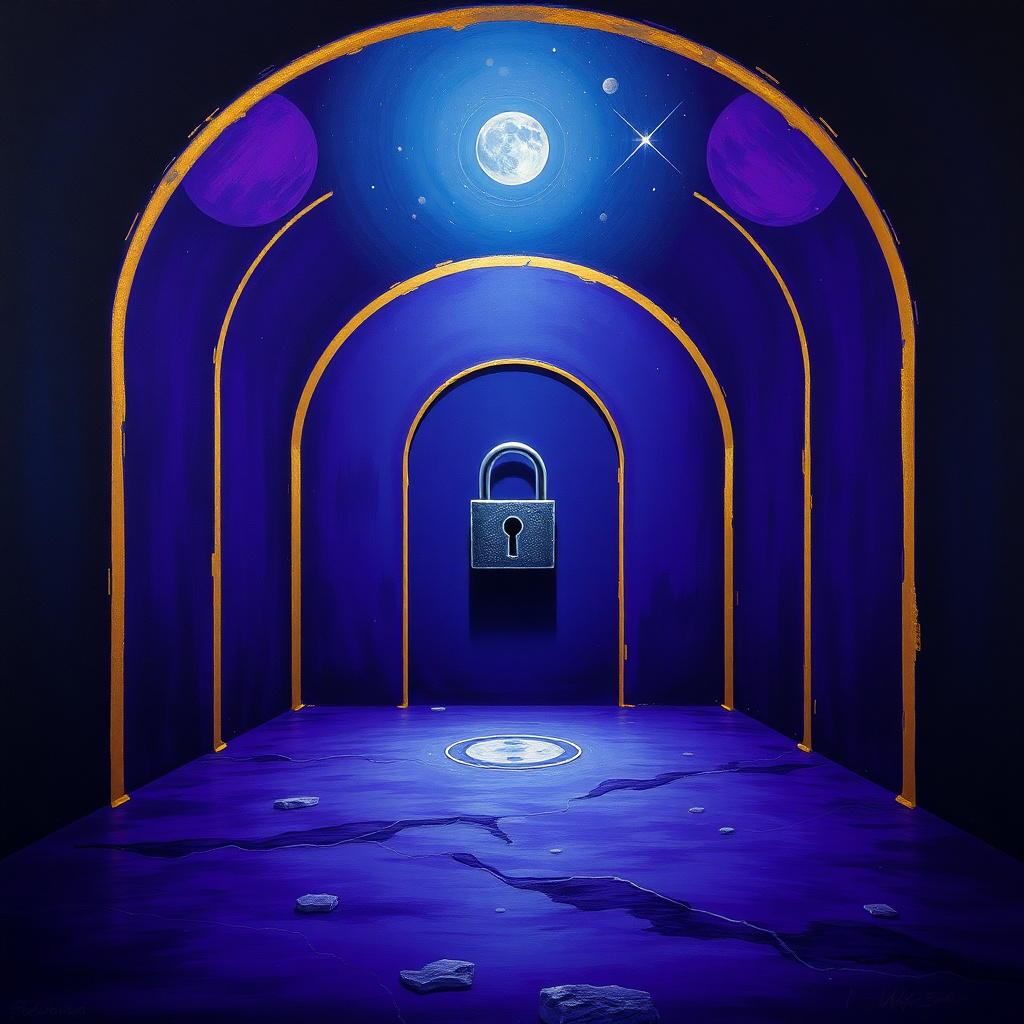
In the topography of the psyche, the Lock functions as more than a mere barrier; it is a structural manifestation of the boundary between the conscious ego and the vast, uncharted territories of the unconscious. From a Jungian perspective, the Lock acts as a psychic threshold. It signifies the containment of specific energetic contents—whether they be repressed Shadow elements or the nascent potential of the Anima/Animus. To encounter a Lock in the dream state is to confront a mechanism of preservation or restriction that dictates the flow of libido between different layers of the personality.
What does your Lock dream mean?
How does the Lock appear to your conscious ego?
The Lock as a Boundary of the Shadow
Within the framework of analytical psychology, the Lock serves as a formal boundary protecting the ego from the overwhelming influx of the Shadow. The Shadow comprises those aspects of the personality that the conscious mind finds unacceptable or incompatible with its self-image. When the psyche presents a Lock, it is often highlighting a defensive mechanism designed to sequester these darker, unintegrated impulses. In waking life, a person might use social etiquette or intellectualism to keep their primal drives at bay; in the dream, this psychic containment is externalized as a Lock. This object does not merely hide content; it regulates the pressure of the unconscious. If the Lock is perceived as impenetrable, it suggests an ego that is overly defensive, perhaps clinging to a rigid persona to avoid the discomfort of self-confrontation. Conversely, a Lock that feels fragile indicates that the Shadow is beginning to breach the conscious perimeter, signaling that the current psychological structure can no longer contain the rising tensions of unlived life. Jung posited that true maturity requires the gradual opening of these barriers, not through the destruction of the Lock, but through a controlled integration. The Lock, therefore, represents the tension between the need for psychic stability and the necessity of exploring the repressed. It is the threshold where the individual must decide whether to maintain a sanitized, limited ego or to risk the chaos of the unconscious to achieve a more holistic state of being. The Lock is the guardian of the secret self, standing at the gate of the personal unconscious, demanding that the dreamer acknowledge the strength of the barrier before attempting to bypass it.
Individuation and the Lock's Mechanism
The process of individuation—the movement toward becoming a whole, undivided self—often involves navigating the complex mechanisms of psychic containment. The Lock can be viewed as a symbol of the 'temenos,' or the sacred, protected space required for psychological growth. In Jungian theory, the movement toward the Self requires a structured approach to the unconscious; one cannot simply flood the ego with archetypal energy without risking psychosis. The Lock represents the necessary regulation of this process. It is the mechanism that ensures the dreamer is prepared for the contents behind the barrier. When the psyche focuses on the Lock, it is addressing the 'how' of psychological access. Just as a physical Lock requires a specific configuration to yield, the process of individuation requires the alignment of various psychic functions—thinking, feeling, sensation, and intuition. A Lock that resists movement may indicate a blockage in these functions, where one part of the personality is refusing to cooperate with the overarching drive toward wholeness. This is not a sign of failure, but a reflection of the psyche's inherent wisdom in pacing the encounter with the Self. The Lock acts as a regulator of the tension between opposites. It holds the tension between the known and the unknown, the light of consciousness and the darkness of the unconscious. To engage with the Lock is to engage with the very architecture of the soul. It asks the dreamer to contemplate whether they possess the necessary psychological tools—the metaphorical 'keys' of self-awareness and courage—to navigate the transition from a fragmented ego to a unified psychic structure. The Lock is the gatekeeper of the individuation journey, marking the points where the soul must pause, reflect, and prepare for deeper descent.
Archetypal Containment and the Anima/Animus
The Lock also functions as a symbol of the containment of the Anima or Animus, the contrasexual archetypes that bridge the gap between the ego and the collective unconscious. These archetypes represent the 'other' within the psyche, providing the vital emotional or intellectual energy needed for complete human experience. A Lock in this context represents the psychic barriers that prevent a meaningful dialogue with these internal figures. For instance, an individual might have 'locked away' their capacity for deep feeling (Anima) or their capacity for decisive, logical direction (Animus) due to cultural conditioning or early developmental trauma. The Lock, then, is the structural manifestation of this psychic disconnection. It is a barrier to the relational aspect of the Self. In Jungian thought, the encounter with the Anima/Animus is often the catalyst for profound transformation, yet this encounter is frequently met with resistance. The Lock symbolizes the ego's fear of being 'possessed' by these archetypal forces. If the Lock is seen as a permanent fixture, it suggests a stagnation in the dreamer's ability to relate to the unconscious feminine or masculine aspects of their being. However, the presence of the Lock also implies that the content is being preserved, not destroyed. It is held in a state of potentiality. The psychological task is to move from a state of containment to a state of communication. The Lock signifies that the energy is present, concentrated, and waiting for the correct psychological orientation to be released. It serves as a reminder that the most profound parts of our nature are often those we have most carefully guarded against the perceived threats of the external world, requiring a sophisticated internal movement to achieve true intimacy with the Self.
Frequently Asked Questions
What does a dream about lock jaw imply psychologically?
From a Jungian perspective, lock jaw can be interpreted as a somatic manifestation of psychic constriction. It suggests a tension between the ego and the Shadow, where the individual feels unable to 'speak' their truth or integrate a difficult realization. It represents a forced silence imposed by the psyche to prevent the premature or uncontrolled release of repressed contents that the ego is not yet ready to process.
How should I interpret a dream about lock and key?
A lock and key pair represents the dialectic between containment and access. The Lock symbolizes the established psychic boundaries and the preservation of the Self, while the Key represents the specific psychological insight or 'aha' moment required for individuation. Together, they signify the readiness of the ego to engage in a controlled, purposeful encounter with the contents of the unconscious.