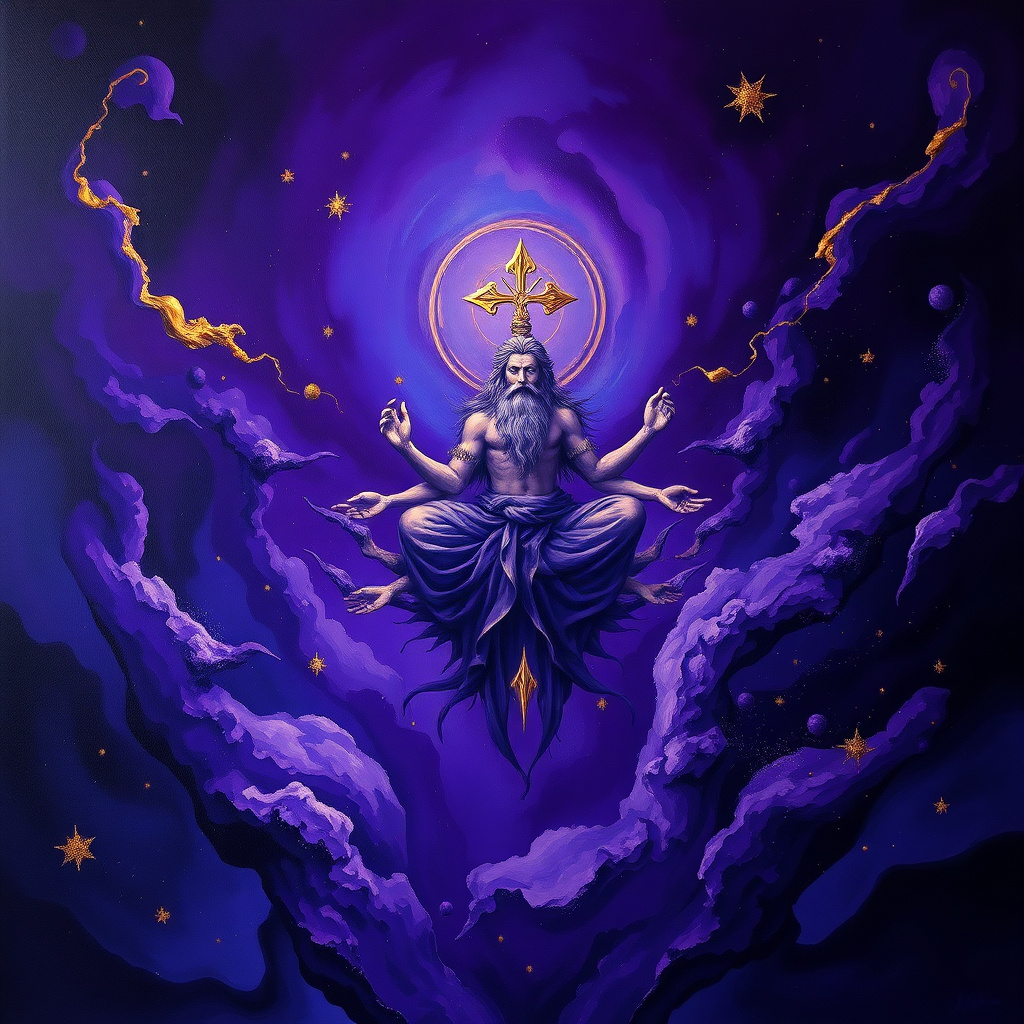
What Does It Mean to Dream About God? Cultural and Mythological Interpretations
Explore the cultural, religious, and mythological significance of dreaming about God. From Biblical archetypes to ancient folklore, discover the meaning.
When the subconscious invokes the concept of God, it taps into the oldest narratives of human civilization. This is not merely a personal reflection but an encounter with the Great Archetype—the supreme authority, the cosmic architect, or the divine judge found in every corner of the globe. Whether through the lens of Abrahamic traditions, the pantheons of antiquity, or the ancestral spirits of Eastern philosophies, a dream about God connects the dreamer to the collective history of human worship, fear, and reverence for the infinite.
What does your God dream mean?
In what cultural form does the divine appear?
The Divine Architect and Biblical Archetypes
In the context of Western theological traditions, dreaming about God often mirrors the dramatic narratives found in sacred texts. This encounter frequently aligns with the concept of the 'Theophany'—a visible manifestation of the divine to a human being. In the Biblical tradition, such encounters are rarely casual; they are monumental shifts in a person's destiny, much like the callings of Moses or Abraham. When you dream about God, you are stepping into a lineage of prophets and seekers who faced the overwhelming weight of the Absolute. This manifestation can take the form of a voice from a burning bush or a terrifying light that demands a reckoning. Culturally, this reflects the human struggle with divine law and the moral order of the universe. The dream functions as a narrative device, positioning the dreamer within a cosmic drama where justice, mercy, and covenant are the primary themes. Rather than looking at personal psychological states, one looks toward the archetypal role of the Judge or the Creator. In literature, this is echoed in the works of Milton or Dante, where the presence of the divine serves to establish the hierarchy of existence and the consequences of human agency. The dream becomes a stage for the eternal conflict between the mortal and the immortal, echoing the profound awe and terror described in ancient scripture. It is an engagement with the concept of a structured, purposeful universe governed by a singular, sovereign will that transcends the chaos of everyday existence.
Mythological Pantheons and Cosmic Forces
Beyond the monotheistic frameworks, dreaming about God can be interpreted through the diverse lenses of global mythology and polytheistic traditions. In these cultural contexts, the divine is often not a single entity but a collection of elemental forces and personified cosmic principles. A dream involving a deity might mirror the capricious nature of the Greek gods, where divine intervention is a matter of fate, hubris, and cosmic balance. To dream of a supreme being in this light is to encounter the personification of natural laws—thunder, the sun, or the underworld. In Eastern mythological frameworks, the encounter might relate to the concept of Brahman or the underlying reality of the universe, where the divine is an all-encompassing essence rather than a distinct person. This shifts the focus from a dialogue with a judge to an immersion in the totality of existence. Furthermore, many cultures view such dreams as a connection to ancestor spirits or the 'numinous'—a term used by scholars to describe the terrifying and fascinating presence of the sacred. In these traditions, the divine is woven into the fabric of the world, and a dream is a momentary thinning of the veil between the mundane and the mythic. The dream functions as a bridge to the primordial era, reminding the dreamer of the ancient myths that define their cultural identity and their place within the celestial hierarchy. It is an encounter with the mythic 'Other' that governs the cycles of life, death, and rebirth.
Sacred Iconography and the Presence of Idols
The specific imagery within a dream, such as a dream about God statue or dream about God idols, carries heavy cultural weight regarding how humanity attempts to capture the infinite. Throughout history, the creation of icons, statues, and idols has been a way for civilizations to ground the intangible divine into a tangible form. When a dream features these physical representations, it touches upon the tension between the spirit and the material. In many traditions, an idol is a vessel for the divine, a focal point for collective devotion and ritual. However, in other cultural narratives, such as the iconoclasm seen in various historical periods, idols are viewed as mere stone or wood that fails to capture the true essence of the Creator. Dreaming of a statue of God evokes the concept of the 'Imago Dei' or the idea of the divine being reflected in the physical world. It brings to mind the monumental sculptures of ancient Egypt or the intricate carvings of Hindu temples, where the stone itself is considered sacred. This imagery asks the dreamer to consider how they perceive the sacred: is it something found in the silent, unmoving perfection of a monument, or is it a living, breathing force? The presence of an idol in a dream connects the dreamer to the history of human ritual and the long-standing tradition of using art to mediate between the human and the holy. It is a reflection of the human impulse to build, to carve, and to manifest the invisible through the labor of hands and the permanence of material.
Frequently Asked Questions
What does it mean when you dream about god protecting me?
From a mythological perspective, this mirrors the archetype of the Divine Protector or the guardian deity found in folklore. In many cultures, gods are seen as patrons of specific lineages or peoples. This dream reflects the narrative of divine providence, where a supreme power intervenes in the mortal realm to safeguard the individual against chaotic or malevolent forces, echoing the protective roles of deities like Athena or various guardian angels in religious lore.
Why do i dream about god so frequently?
In a cultural sense, frequent dreams of the divine suggest a recurring engagement with the 'Sacred.' This can be viewed as a thematic preoccupation with the ultimate truths or moral structures that govern human life. Just as epic heroes in mythology are constantly pursued by or interacting with the divine, these dreams place you within a continuous mythological narrative of seeking, testing, and understanding the cosmic order.
What does it mean if you dream about god in a statue?
Dreaming of a God statue or idol relates to the cultural practice of icon worship. It signifies an encounter with the 'manifested divine'—the way humans attempt to give form to the formless. It reflects the historical tension between the spiritual essence and its physical representation, evoking the majesty of ancient temples and the human desire to create permanent, tangible connections to the eternal through art and architecture.