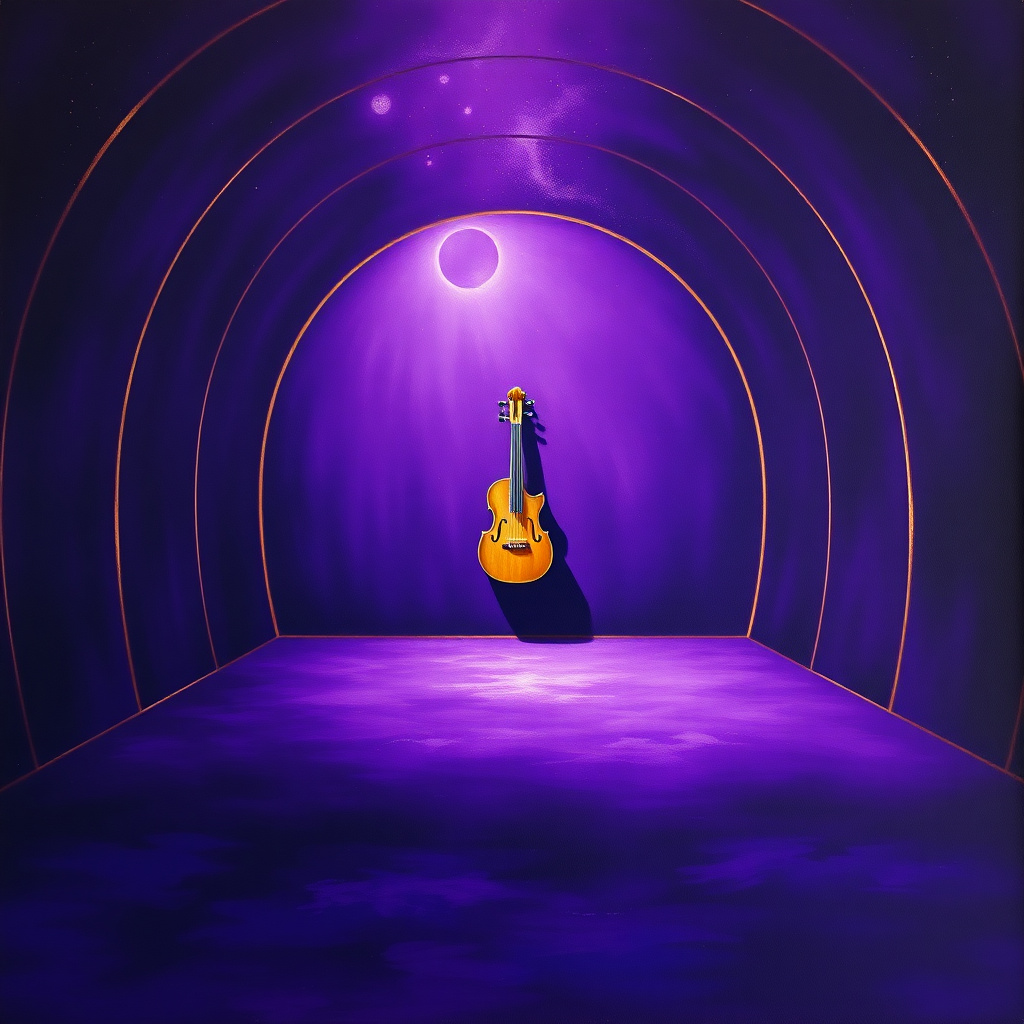
Music Dream Meaning: Decoding the Emotional Frequency
Explore the music dream meaning through an emotional lens. Understand how auditory symbols reflect your internal anxiety, longing, and psychological weather.
When Music enters the subconscious landscape, it rarely functions as mere background noise. Instead, it acts as a direct broadcast of your current internal climate. Rather than focusing on the melody itself, consider the physiological response the sound triggers. Music in this context serves as a sonic mirror, reflecting the intensity of your unvoiced feelings. Whether the sound is harmonious or jarring, it maps the contours of your emotional state, translating complex, wordless sensations into a structured auditory experience that your waking mind may be struggling to process.
What does your Music dream mean?
What is the primary texture of the sound?
The Resonance of Longing and Melancholy
When the subconscious utilizes Music to communicate, it often taps into the frequency of longing. This is not necessarily a sadness, but rather a profound sense of reaching for something currently out of grasp. In waking life, we might use a minor key to express grief, but in the dream state, the music becomes the grief itself. The texture of the sound—whether it is a solo instrument weeping or a vast, hollow orchestral swell—indicates the scale of your emotional void. A singular, lonely note suggests a localized sense of isolation or a specific missing piece in your social fabric. Conversely, a sweeping, cinematic arrangement may point to a grand, existential yearning for purpose or a lost era of your life. This emotional weather is often driven by nostalgia, where the brain uses auditory patterns to simulate the warmth of a memory that no longer exists in the physical realm. If the music feels distant, as if heard through a heavy curtain, it reflects a dissociation from your own desires; you are aware of your longing, but you cannot quite touch the source of it. This distance creates a tension between the self and the felt experience. The music acts as a bridge, attempting to connect your current reality to a heightened emotional truth that you are perhaps suppressing during your daylight hours. By paying attention to the 'weight' of the sound—is it light and ethereal or heavy and dragging?—you can identify whether your longing is a gentle pull toward a new possibility or a heavy anchor to a past regret.
Auditory Turbulence and the Frequency of Anxiety
Discordant or overwhelming Music serves as a direct measurement of psychological turbulence. When the internal state is characterized by anxiety or fragmentation, the subconscious often abandons melody in favor of rhythmically unstable or tonally clashing structures. In music theory, dissonance creates a need for resolution; in your emotional weather, this represents the frantic search for stability amidst chaos. If the music feels chaotic, fast-paced, or uncontrollably loud, it mirrors a state of hyper-vigilance. You may be experiencing a sensory overload in your waking life, where the demands of your environment exceed your capacity to process them. This is not a symbol of external events, but a reflection of your internal inability to find a rhythmic baseline. The feeling of being 'drowned out' by the sound suggests a loss of agency, where your own emotional voice is being stifled by overwhelming external pressures or internal intrusive thoughts. Sharp, percussive, or staccato sounds often correlate with acute stress or sudden emotional shocks that have disrupted your sense of peace. Unlike a smooth legato, which suggests emotional flow, these jagged auditory patterns indicate a psyche that is currently 'on edge,' unable to settle into a cohesive narrative. This dream state functions as an emotional pressure valve, allowing the brain to experience the full intensity of its agitation in a controlled, albeit intense, auditory format. Recognizing this dissonance is the first step in identifying where your mental equilibrium has been compromised, moving from the frantic noise of anxiety toward a more tempered, manageable internal cadence.
Harmonic Alignment and Emotional Anticipation
Conversely, when Music presents as harmonious, rhythmic, and structured, it reflects an emotional state of anticipation or alignment. This is the sonic manifestation of feeling 'in tune' with one's trajectory. In the waking world, musicians strive for consonance to create a sense of satisfaction; similarly, these dreams occur when the psyche is moving toward a state of resolution or is experiencing the quiet thrill of impending change. This is not a sign of static peace, but rather a dynamic readiness. The rhythm acts as a heartbeat, suggesting that your internal biological and emotional rhythms are synchronized. If the music feels uplifting or builds toward a crescendo, it maps to a state of heightened expectation or the joyful tension of something good about to unfold. This is the emotional weather of hope. However, even this harmony can carry a sense of fragility. A melody that is beautiful but incredibly delicate may indicate a state of emotional vulnerability, where you are experiencing joy but are acutely aware of how easily it could be disrupted. The structure of the music—whether it is a predictable loop or an evolving composition—tells you how much control you feel you have over your emotional direction. A predictable, comforting rhythm suggests a need for stability and the comfort of the known, while an evolving, complex masterpiece suggests an excitement for the unknown complexities of your personal growth. Ultimately, the presence of harmony indicates that the internal conflicts are being processed and integrated, allowing for a more fluid and less resistant emotional experience.
Frequently Asked Questions
What is the music dream meaning when the sound is terrifying?
When the music is frightening, it is a direct mapping of acute anxiety or dread. The dream is not about a literal sound, but about the sensation of being overwhelmed by an uncontrollable force. This auditory terror reflects an internal state where your coping mechanisms are being tested by intense emotional turbulence or a perceived loss of control over your life's direction.
I keep having a dream about music that feels very nostalgic. Why?
A dream about music characterized by nostalgia is a reflection of longing. Your subconscious is using familiar, emotive sounds to process a sense of loss or a desire to return to a period of emotional safety. It acts as a bridge between your current emotional reality and a memory that carries a specific, unfulfilled emotional weight.
Does a dream about music mean I am happy?
Not necessarily. While harmonious music can indicate emotional alignment or anticipation, the 'meaning' lies in the specific feeling it evokes. If the harmony feels forced or eerie, it may actually represent a masking of deeper tensions. Always prioritize the visceral emotional response—the 'weather' of the dream—over the technical quality of the sound.